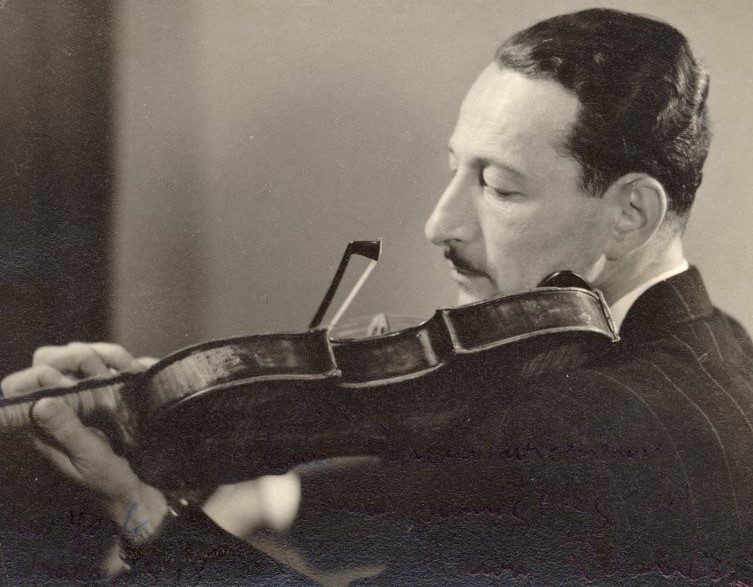
Henry Rosner, Kraków, 1930. Krakow Museum Collection, Fs15492-IX
The lives of the Jewish population in occupied Krakow, particularly after the establishment of the ghetto in Podgórze in 1941, unfolded under conditions of constant threat, violence, and severely restricted ability to determine one’s own fate. In such circumstances, certain individual resources—such as one’s profession, skills, or social networks—could, to a limited extent, increase the chances of survival. Among these, musical activity occupied a particular place.
As the testimonies and biographical profiles collected in the database demonstrate, artistic activity in the Krakow Ghetto was not a marginal phenomenon. Concerts organized at the “Polonia” café, in boarding houses, orphanages, and charitable institutions served not only an entertainment function but also a charitable one, as the proceeds from these events were used to support those most in need. Practising music allowed artists to retain a sense of professional and social identity despite the growing destabilization of everyday life.
This is particularly evident in the case of Henryk and Leopold Rosner , musicians who had already been well known in Krakow before the war. In the ghetto, they continued to perform concerts, and after its liquidation they were sent to the forced labour camp in Płaszów. There, Henryk Rosner was forced to play the violin during receptions organized by the camp commandant, Amon Göth. His accounts reveal the paradoxical nature of this situation: music provided him with certain relative privileges, such as protection from the most arduous labour and the possibility of keeping an instrument and concert clothing, while at the same time placing him in direct dependence on the perpetrators of the terror.
Rosner’s artistic abilities played an important role in Oskar Schindler’s intervention on his behalf. Recognizing his talent, Schindler included him among the workers covered by the plan to evacuate prisoners from Płaszów. This example makes it possible to view music as one of the possible strategies of survival, although it was extremely precarious and entirely subject to the decisions of the occupying authorities. Rosner’s deportation, together with his son, to Auschwitz in 1944 demonstrates how limited even the most favourable interventions could be.
Another dimension of survival through culture is illustrated by the fate of Cidy Lau-Fischer, a singer and singing teacher who actively participated in the artistic life of the ghetto. Her concert and teaching activities represented an attempt to preserve cultural continuity and pass on an artistic heritage to subsequent generations. Her death in 1941, however, demonstrates that even participation in cultural life offered no protection against hunger, disease, and the violence of the occupation system.
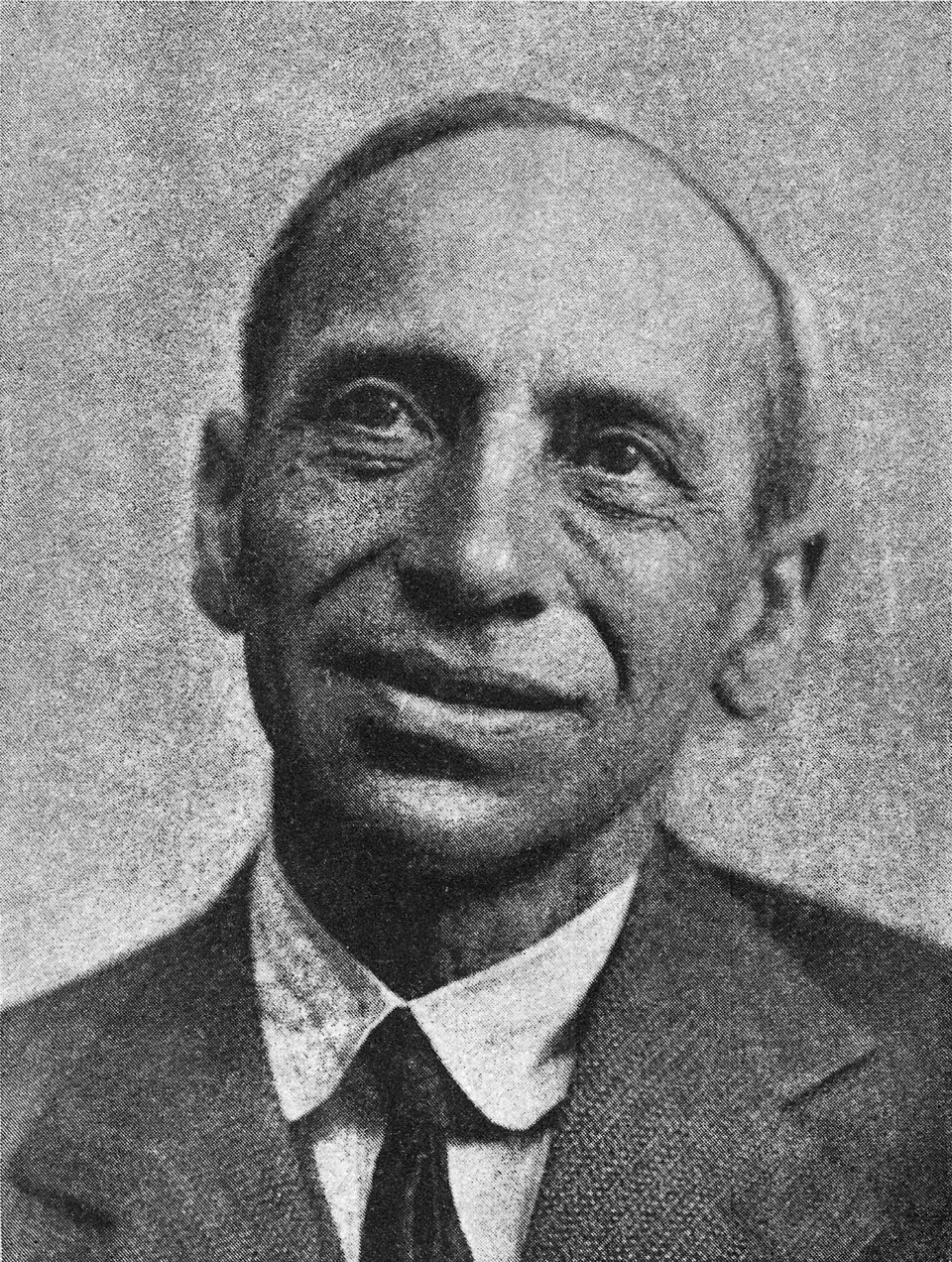
Mordechaj Gebirtig. Photograph from Gebirtig’s book Majne lider, 1936
In this context, it is also worth recalling the lives of artists such as Mordechaj Gebirtig and Abraham Neuman, whose creative work did not translate into effective mechanisms of protection. Their biographies demonstrate that survival was not directly correlated with talent, and that the possibility of using music as a survival strategy was unequal and dependent on numerous factors, including social position, age, health, and simple chance.
The collected biographical profiles of Jewish artists from Krakow demonstrate that music functioned as one of the possible adaptive strategies under the conditions of the Holocaust. Their analysis makes it possible to identify the ways in which individuals attempted to maintain a sense of agency in a reality that systematically sought to destroy it.
At the same time, the material collected in the database reveals that the history of the Holocaust in Krakow is not solely a story of violence and death, but also of efforts undertaken to survive. Among these efforts, culture—even in its imposed and distorted form—occupied a significant place.
Sources:
- Martyna Grądzka-Rejak, Elita artystyczna i życie artystyczne w getcie krakowskim (1941–1943)
- Aleksander Bieberstein, Zagłada Żydów w Krakowie, Wydawnictwo Literackie, Kraków, 1986
- United States Holocaust Memorial Museum:
– Henryk Rosner - Arolsen Archives:
– Henryk Rosner
– Leopold Rosner - Yad Vashem:
– Henryk Rosner
– Leopold Rosner
– Cida Lau-Fischer
– Mordechaj Gebirtig
– Abraham Neumann