The biographical profiles contained in the database constitute a valuable source for research into the experiences of the Jewish community during the German occupation of Krakow. Depending on the subject matter addressed, these testimonies offer both individual and broader perspectives on the realities of life under occupation. The database is also a valuable point of reference for examining the diverse experiences of Jews across different age groups, including children during the war. Within this age category, it is worth highlighting selected biographical profiles that provide a basis for presenting children’s experiences in the context of the wider community, individual experiences, and parent-child relationships.
The first such example is the collective portrayal of children from the perspective of Amalia Mandelbaum, an educator at the Kinderheim in the Krakow Ghetto (see biographical profile: Amalia Mandelbaum). Her testimony describes the lives of the children who were staying at the institution at the time, including accounts of their everyday living conditions. The most extensive part of her testimony, however, concerns the fate of the children during the liquidation of the ghetto in March 1943. Her account of these events from the perspective of a Kinderheim caregiver conveys the immense tragedy experienced by the children.
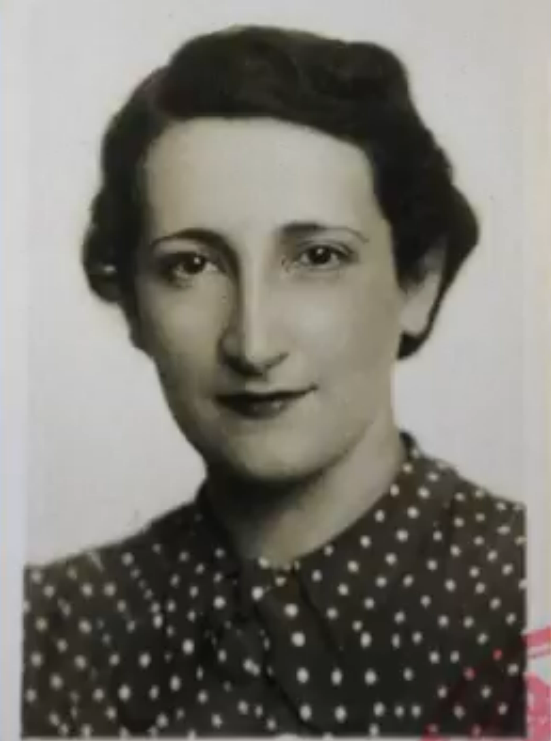
Amalia (Małka) Mandelabum, née Hofsteter
Source: https://www.centropa.org/de/school-project/prywatna-zydowska-koedukacyjna-srednia-szkola-handlowa [Access: 18.01.2026].
A direct presentation of a child’s perspective on the experiences of war can be found in the testimony of Gizela Stefa Mendelson. The author was only a few years old when the war broke out (see biographical profile: Gizela Stefa Mendelson). The girl was the only member of her entire family to survive the war. During the occupation, she was in the Krakow Ghetto. Her testimony includes, among other things, her escape from the ghetto, including her passage to the so-called “Aryan side” through the sewers, as well as the experience of a child who, deprived of parental care (her parents had been deported to camps) and siblings (her brother was murdered by the Gestapo), was left to fend for herself.
Another example is the testimony of Eugenia Felicja Myszkowska, in which the fate of a child is presented from a parent’s perspective (see biographical profile: Eugenia Felicja Myszkowska). The memoir focuses largely on the parent-child relationship in the context of the realities of the occupation, including displacement and wandering, false documents and the child learning a new identity, fleeing arrest with the child, the child’s illness and hospitalization, the child’s death, the parent’s trauma following the loss of the child, and acts of heroism in rescuing children.
The themes concerning the experiences of children during the German occupation of Krakow presented above represent only a few of the many possible avenues of research that can be pursued using the biographical profiles available in the database (see: https://shoahkrakow.uj.edu.pl/wyszukiwarka/).
Bibliography (Selected Literature):
Bandura L., Wpływ wojny na psychikę dzieci i młodzieży, Toruń 2004.
Dzieci żydowskie oskarżają, wybór i oprac. K. Czarnota, Warszawa 1993.
Grądzka-Rejak M., Przerwane dzieciństwo. Losy dzieci Żydowskiego Domu Sierot przy ul. Dietla 64 w Krakowie podczas okupacji niemieckiej, Kraków 2012.
Kowalska-Leder J., Doświadczenie zagłady z perspektywy dziecka w polskiej literaturze dokumentu osobistego, Wrocław 2009.
Müller-Madej S., Dziewczynka z listy Schindlera: oczami dziecka, Kraków 2001.
Müller-Madej S., Dziewczynka z listy Schindlera: lata powojenne, Kraków 2001.
Author: Katarzyna Boryczka